Why Can Houston Floodwater Leave Carpet Squishy?
Squishy carpet after water removal usually means moisture remains in the pad or subfloor, even if the surface feels only damp. If water is spreading through carpet, stop foot traffic and check whether the leak or flood source is still active; water coming through a ceiling light also calls for keeping clear of that electrical area and contacting a qualified professional. Don’t just cover the spot.
A musty odor after an overnight leak is another reason to check below the carpet, not simply add fragrance. Near Hermann Park, our crew looks beyond visible puddles and uses moisture readings to guide drying.
Why does carpet stay wet beneath the surface?
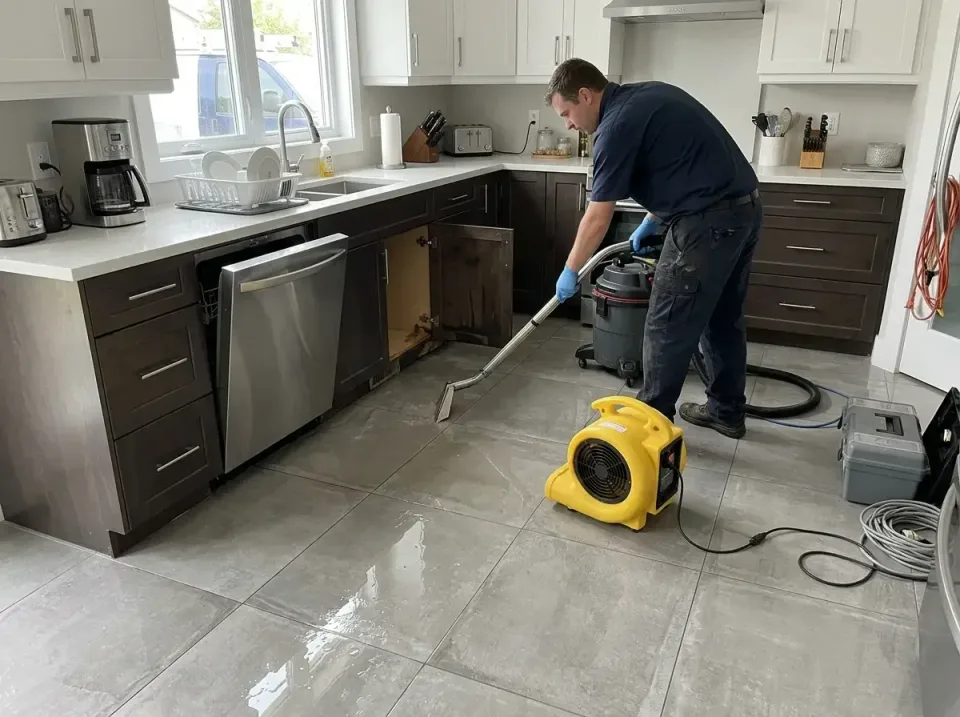
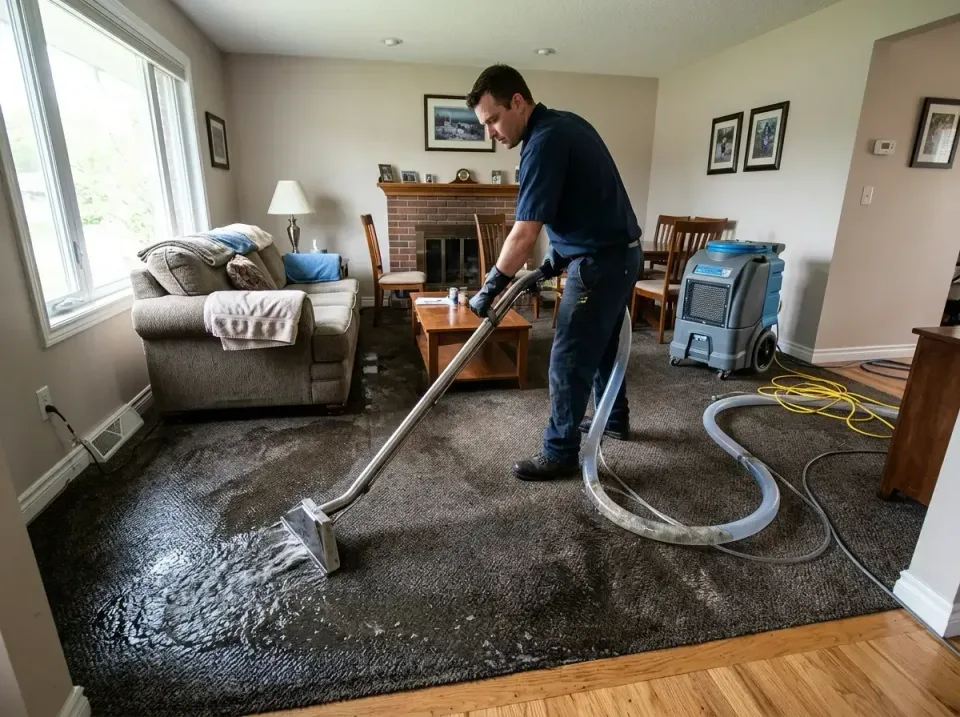
The carpet face can feel less wet while the pad and subfloor remain saturated. An extraction pass removes liquid it can reach, but water trapped below the backing or along the floor edge may keep the carpet soft underfoot. We see this after a leak appears small at first, then spreads across a room; the visible wet area may not show how far moisture traveled.
Clay soils retain floodwater, which can prolong damp conditions around affected homes and make it especially important to verify indoor drying rather than assume the floor will dry on its own. A musty smell or carpet that springs back slowly is a reason to check concealed layers. We use moisture mapping to locate damp areas before deciding where drying equipment belongs.
Could Houston heat and storms slow the drying?
Yes, outdoor heat does not guarantee a wet room will dry quickly. When the heat index rises above 100, crews may face delays, so it helps to report the water source, affected rooms, and safe access details when arranging an assessment. A fan alone cannot confirm that the pad or floor below is dry.
During hurricane season, June to November, intense afternoon thunderstorms can bring another round of water into a home before earlier damage is resolved. The high water table in many neighborhoods can also matter when water keeps returning at floor level; the cause needs to be checked rather than repeatedly drying the same patch. We record moisture readings and adjust equipment based on what those readings show.
When should you call a drying professional?
A small, clean spill limited to the carpet surface may be manageable at home if you can extract it safely and the floor beneath is unaffected. But carpet that remains squishy after extraction, water that spread under furniture, or dampness near walls crosses the line: those signs point to moisture beyond what a household wet vacuum can confirm. Don’t guess at the pad.
For a leaking pipe or a wet room with hidden moisture, our IICRC Water Restoration Technician certified technicians inspect the affected materials and explain the next steps. A technician can evaluate whether the pad can stay in place and whether the subfloor needs controlled drying. Ask for documented moisture checks, not just a promise that the carpet feels dry.
What the drying process needs to prove
The key question is not whether the carpet surface feels cooler or less wet; it is whether moisture in the materials underneath is coming down. Our team checks multiple points and records changes over time, because a reading taken once cannot show whether dampness is still moving or drying.
The Menil Collection gives Montrose a recognizable local reference, but a building’s location does not reveal what is happening below its carpet. For each job, we focus on the affected room and its materials.
If readings stay high, the drying plan may need adjustment or further inspection. We explain what we find before moving equipment or recommending material removal.
Clear measurements help homeowners distinguish a slowly drying floor from one that remains wet beneath the surface.
Which Carpet Drying Option Fits Squishy Flooring?
If the carpet still gives underfoot after a leak, the right option depends on whether water remains in the carpet, pad, or deeper floor layers. Start with the wet materials not just the visible area.
A home near Barker Reservoir should note whether water came from outside or an indoor leak, since the source helps guide inspection.
| Option | Best for | Key detail |
|---|---|---|
| Shop-vac | Small, clean surface spill | Limited reach; cannot verify pad or subfloor moisture |
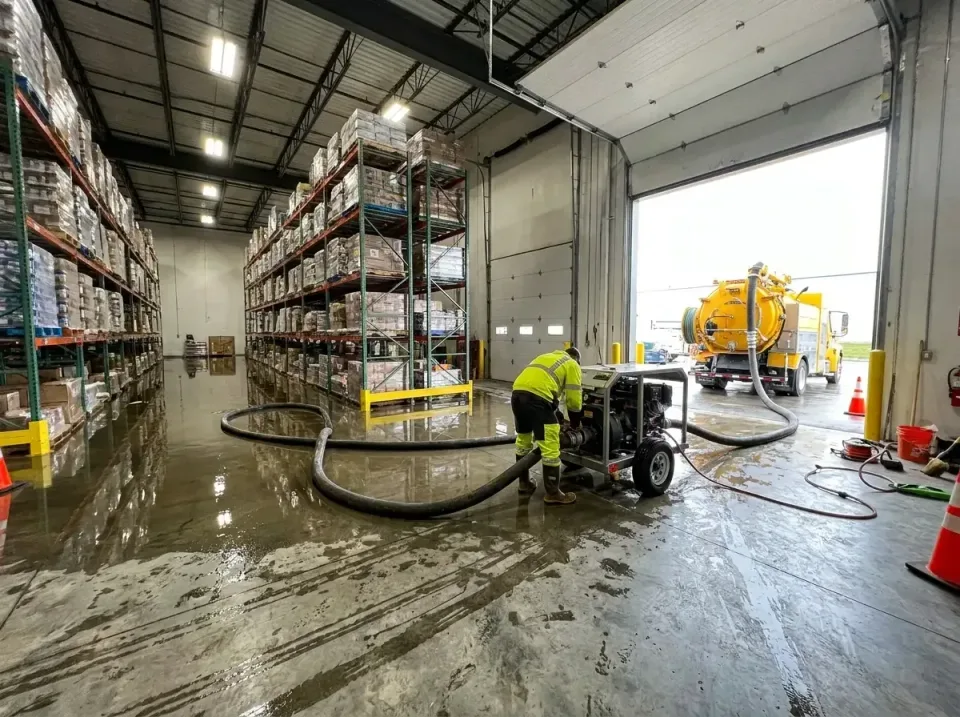
| Truck-mount extractor | Wet carpet with recoverable water | Extractor hose is typically 1.5–2 inches |
| Forced structural drying | Moisture below carpet or in subfloor | Air movers run around 3,000 CFM |
| Pump extraction | Standing water before carpet drying | Pump capacity is typically 50–100 GPM |
Ask what materials will be checked and how drying progress will be documented.
How Do You Prepare for Wet Carpet Drying?
If the carpet remains squishy, keep people and pets off the wet area while you arrange an inspection. High humidity slows drying times, so patience and readings matter more than guessing by touch.
-
Stop the source: If safe, shut off the leaking fixture or supply; do not touch electrical equipment near water.
-
Protect people: Contain pets and keep children away from wet flooring and any ceiling leak near a light.
-
Document the room: Photograph the carpet, visible staining, and affected belongings before moving items.
-
Clear access: Move contents only when safe, and share parking or entry constraints before equipment is scheduled.
-
Ask about readings: Request daily moisture readings so you can see whether concealed materials are drying.
For homes near Rice University, provide clear access instructions before the visit; around River Oaks, do the same if furniture or belongings limit access.
Should You Call for Squishy Carpet in Houston?
If carpet still feels soft and wet after water removal, moisture may remain in the pad or subfloor, and a surface check cannot rule that out. Take action when the damp area persists, spreads, or develops an odor; ask for an inspection that includes measured checks beneath the carpet.
Those place names do not predict drying needs; the water source and material readings do. We explain what we find and what the readings mean. No guesswork.
Start with our Carpet Water Extraction service and tell us how long the carpet has stayed squishy, where the water came from, and whether the wet area is growing.