When Should You Call After a Burst Pipe in Houston?
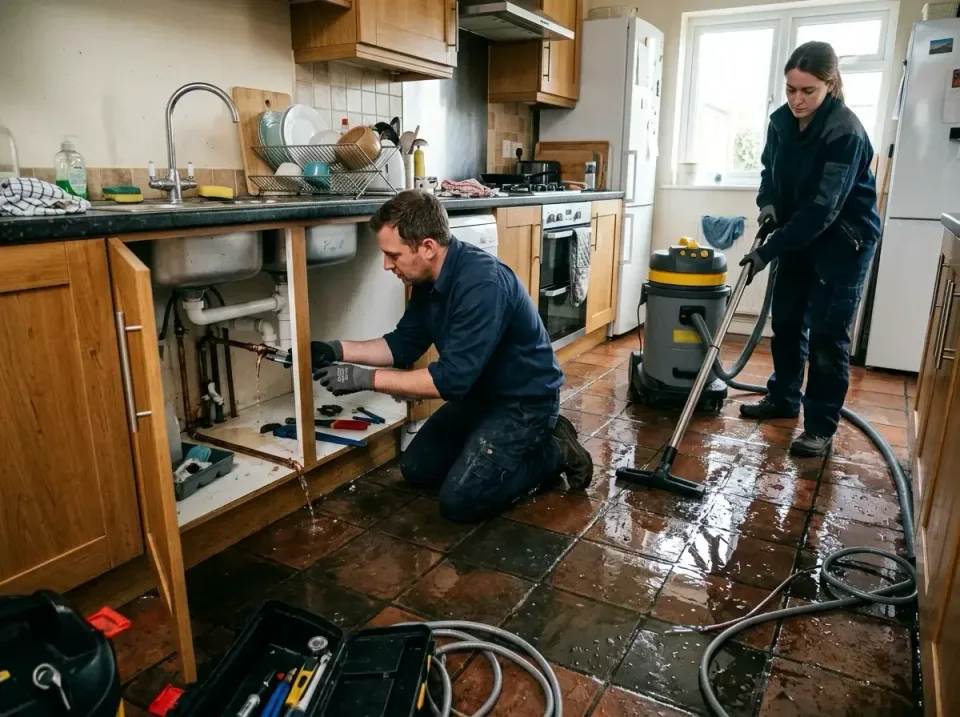
A burst pipe calls for professional help as soon as water reaches flooring, drywall, or a ceiling cavity even if the leak has stopped. A small wet spot can spread beneath finishes, so do not wait for a musty odor or a larger stain before asking for an assessment.
-
Water keeps spreading: Call when carpet, flooring, or a ceiling stain continues to grow after the source is shut off.
-
Materials feel wet: Squishy carpet, swollen wood, or damp drywall can signal moisture below the surface.
-
Water reached an outlet: Stay away and contact a qualified electrician or emergency service if there is an immediate electrical hazard.
Stop the water if safe, take photos, and arrange an on-site moisture check.
When does a burst pipe need a professional?
Call when water has entered carpet, wall cavities, ceilings, or the layers beneath flooring; a dry-looking surface does not prove the structure is dry. A wet ceiling near a light, spreading stains, or hidden dampness behind baseboards is enough reason to ask for an inspection. If water is near electrical equipment, do not step into it or operate switches. Shut off the supply only if you can reach the valve safely.
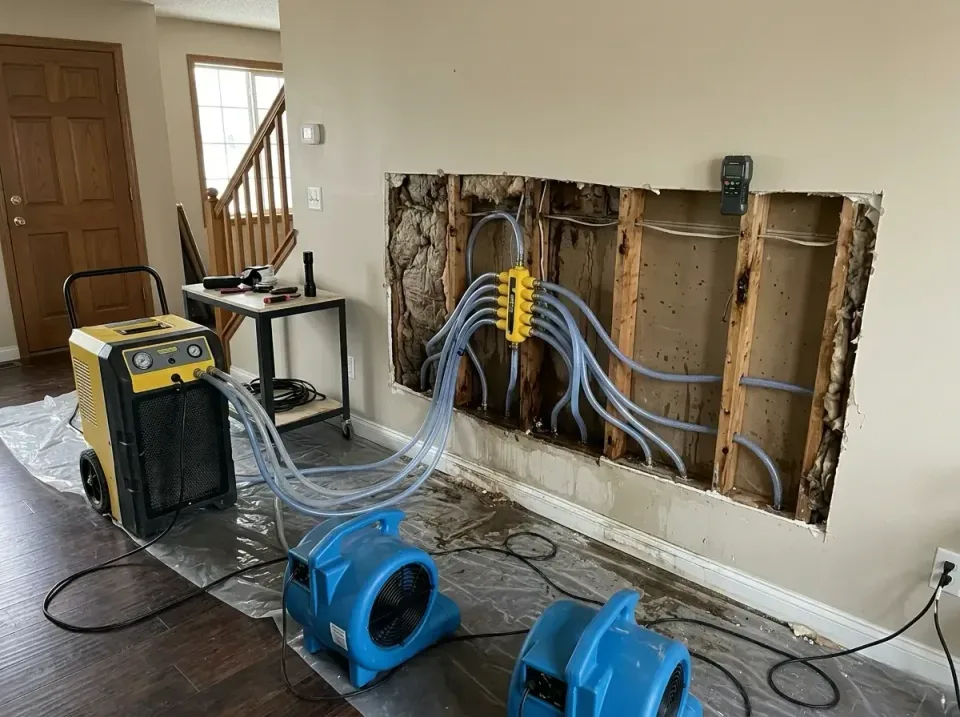
Occasional winter freezes can burst pipes, so after a cold snap, check cabinets and nearby walls for dampness even when the visible leak appears minor. We use moisture mapping to locate affected areas and record readings before deciding where drying equipment belongs.
Is a small wet spot safe to watch?
Not if it is growing, returning, or accompanied by peeling drywall or a musty smell. Water can travel behind paint and trim, then remain in gypsum wallboard or under flooring after the surface seems dry. Our crew sees homeowners lose time by running a household fan at the wet spot without checking the adjacent wall, pad, or subfloor. That can leave concealed moisture untreated.
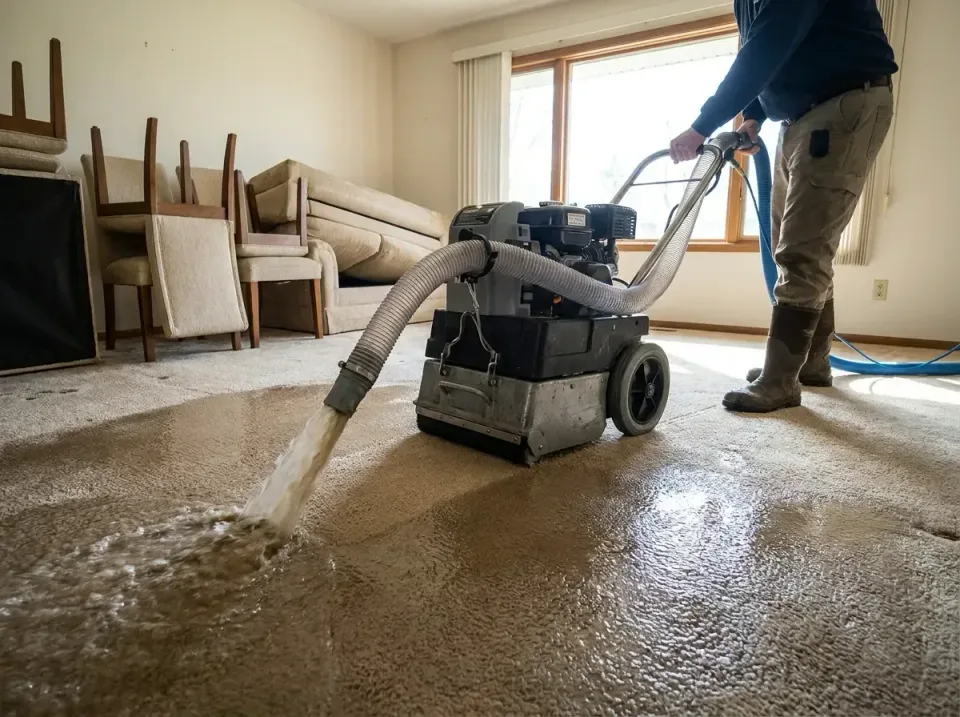
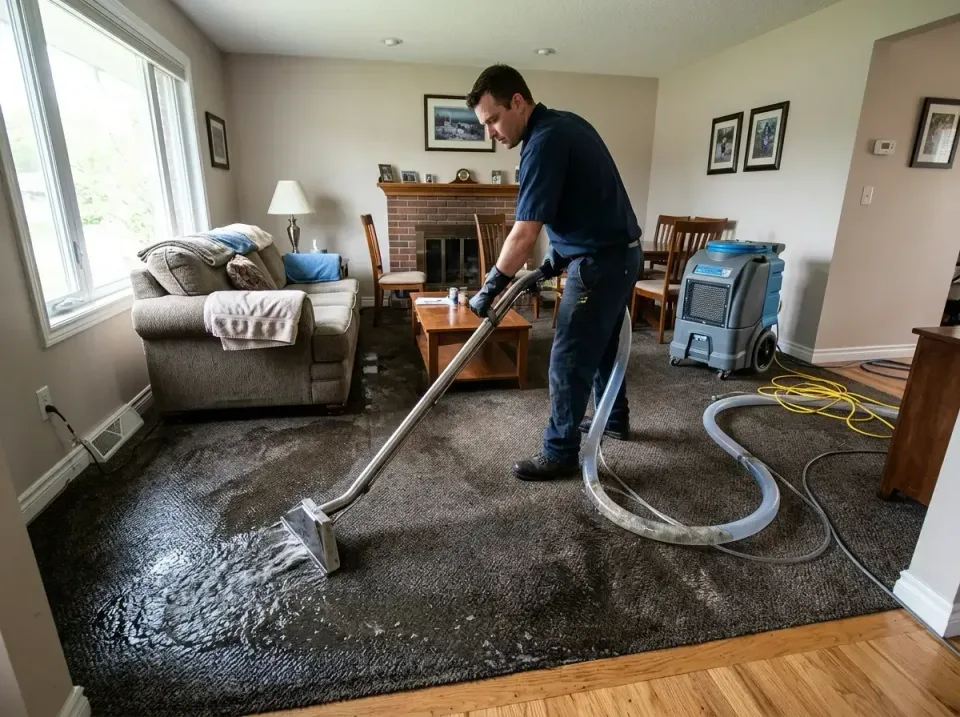
We document the affected materials and water conditions before selecting extraction and drying steps. If a pipe failure has soaked several rooms or wall cavities, review our Burst Pipe Water Extraction service.
When is DIY drying enough?
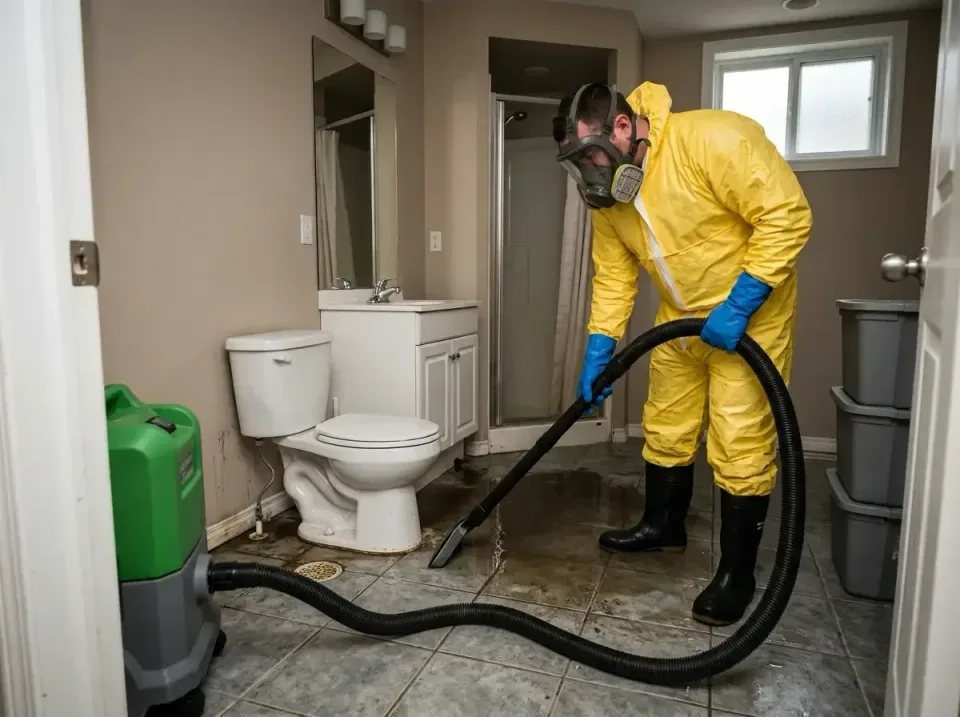
A towel and household wet vacuum may be reasonable for a small, clean spill on a hard surface that you have fully reached and dried. Call a professional if water has soaked carpet, reached the subfloor, entered a wall, spread under cabinets, or involved a ceiling. Stop DIY work around electrical hazards or water of uncertain cleanliness.
We check moisture beyond the visible edge, then choose extraction and drying based on what readings show. For carpet that stays wet, Carpet Water Extraction addresses both water removal and assessment of the layers below.
Why can Houston pipe damage stay hidden?
A room can feel dry while moisture remains inside a wall or beneath flooring.
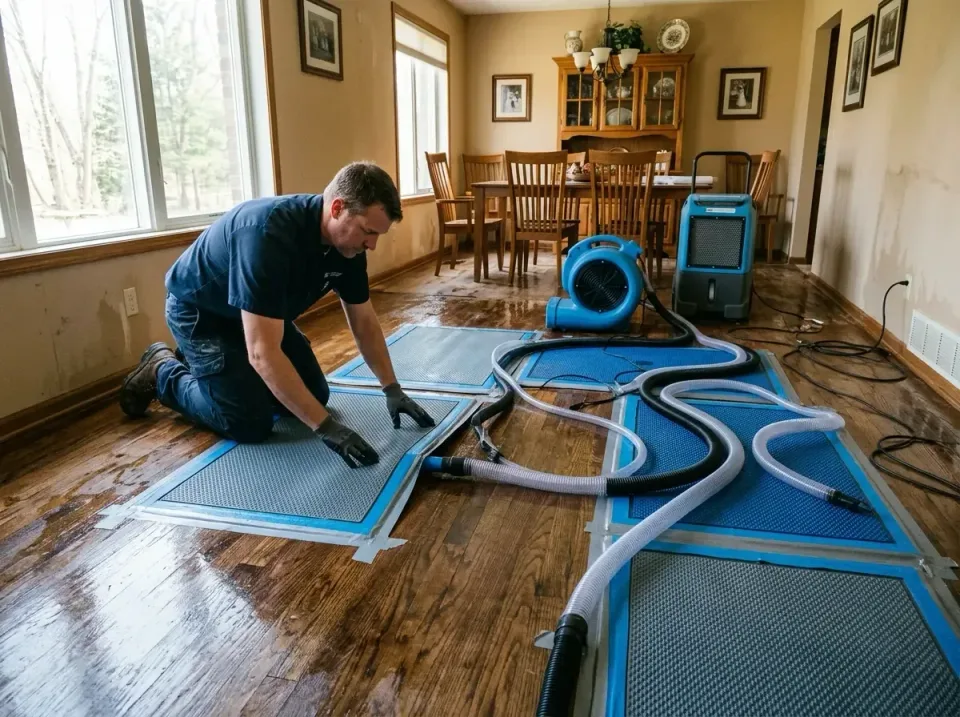
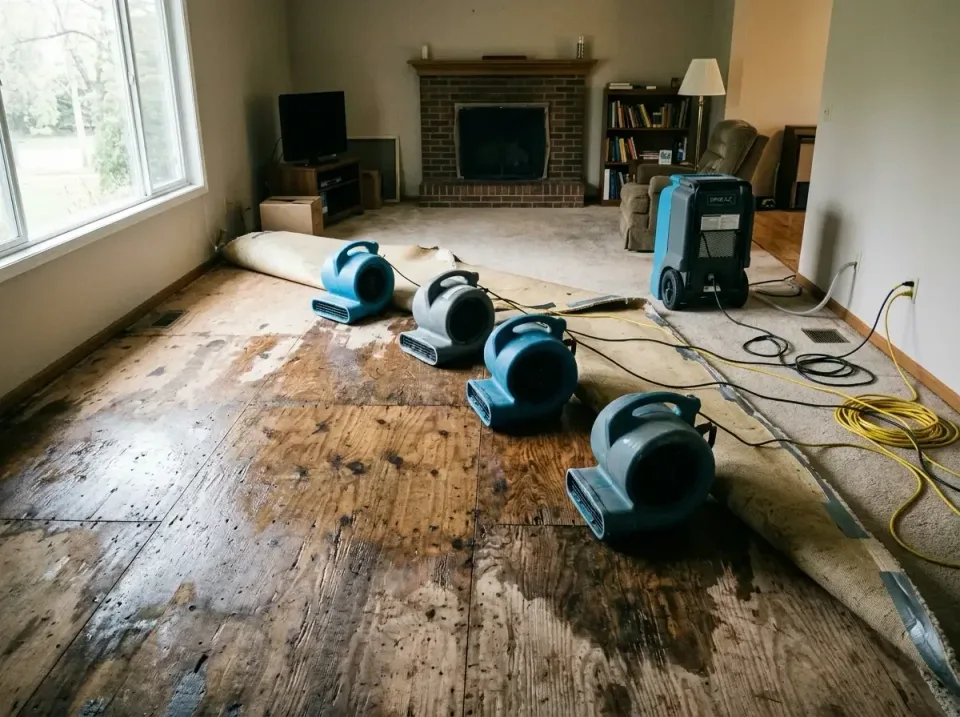
After a pipe burst, warped hardwood deserves prompt assessment because aggressive heat or airflow can worsen distortion. We adjust air mover placement and dehumidification to the affected area, then take repeat readings to confirm progress. Our WRT-certified technicians follow the IICRC S500 Water Damage Standard and explain what the measurements mean before recommending the next step.
Which Houston Pipe-Drying Option Fits the Damage?
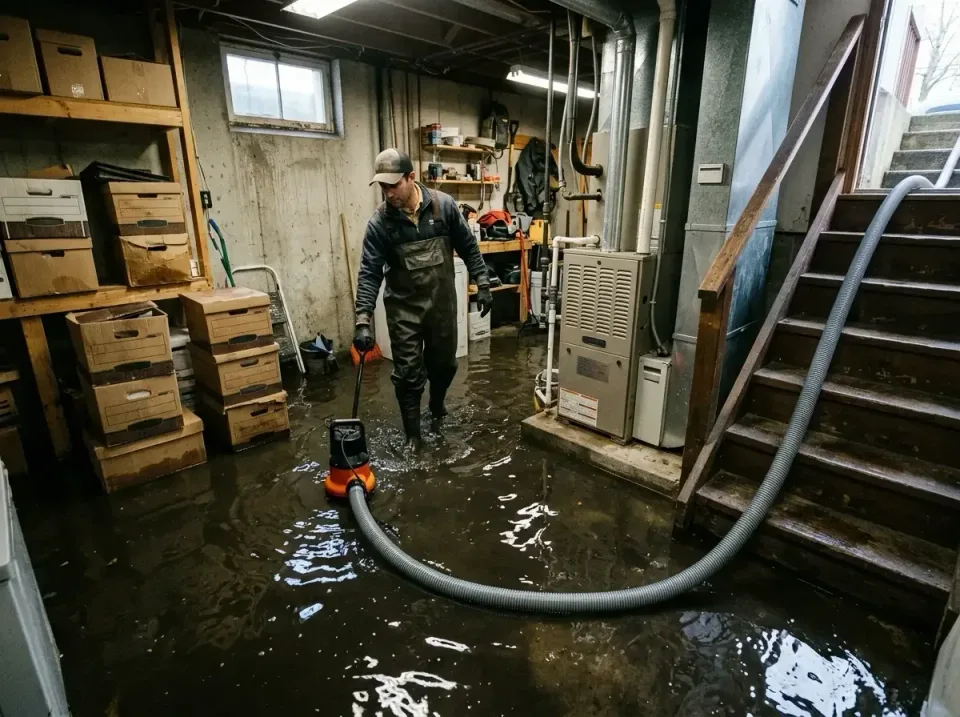
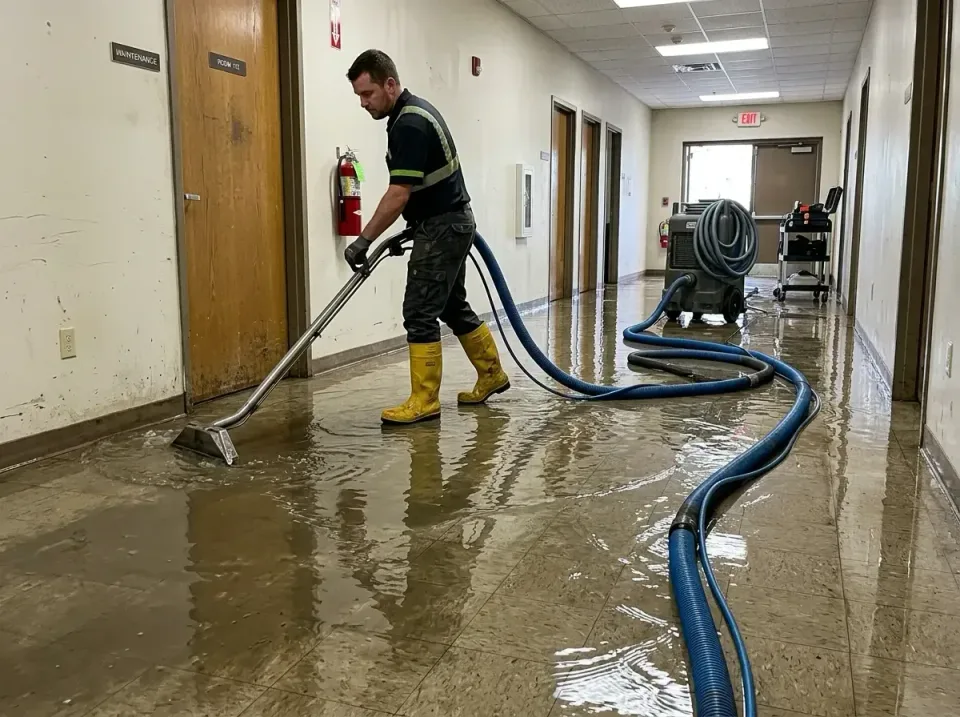
The right approach depends on where water traveled: surface extraction handles reachable liquid, while structural drying addresses moisture held in building materials.
| Option | Best for | Key detail |
|---|---|---|
| Truck-mount extraction | Larger carpet or floor areas | Extractor hose: 1.5–2 inch |
| Pump extraction | Standing water with a clear discharge plan | 50–100 GPM capacity |
| LGR dehumidifier | Removing moisture from indoor air | 70–130 pints/day listed capacity |
| Air movers | Directing airflow across wet surfaces | About 3,000 CFM |
What Should You Prepare Before Pipe Extraction?
Start with the water source, then keep people and pets out of wet work areas. Discovery Green is a familiar downtown reference point, but crews still need clear property access and a safe place to work.
-
Stop the leak: Close the supply valve only if you can reach it safely; otherwise contact a plumber.
-
Document damage: Photograph wet rooms, belongings, and visible stains before moving items.
-
Clear access: Move contents from the extraction path and share street-parking or gate limits when arranging service.
-
Protect pets: Keep animals away from hoses, wet floors, and equipment.
-
Confirm drainage: Ask where extracted water will go and whether the discharge point is approved.
-
Plan power: Tell the crew if power is out or circuits may be affected; equipment may need dedicated 20-amp circuits.
Get a Clear Next Step for Houston Pipe Damage
If carpet stays squishy, hardwood begins to warp, or water stains keep spreading, call for an assessment rather than waiting for the surface to dry.
Buffalo Bayou Park is part of the local landscape, but the important measure inside your home is the moisture found in its materials.