What Does Category 3 Extraction Mean After Houston Flooding?
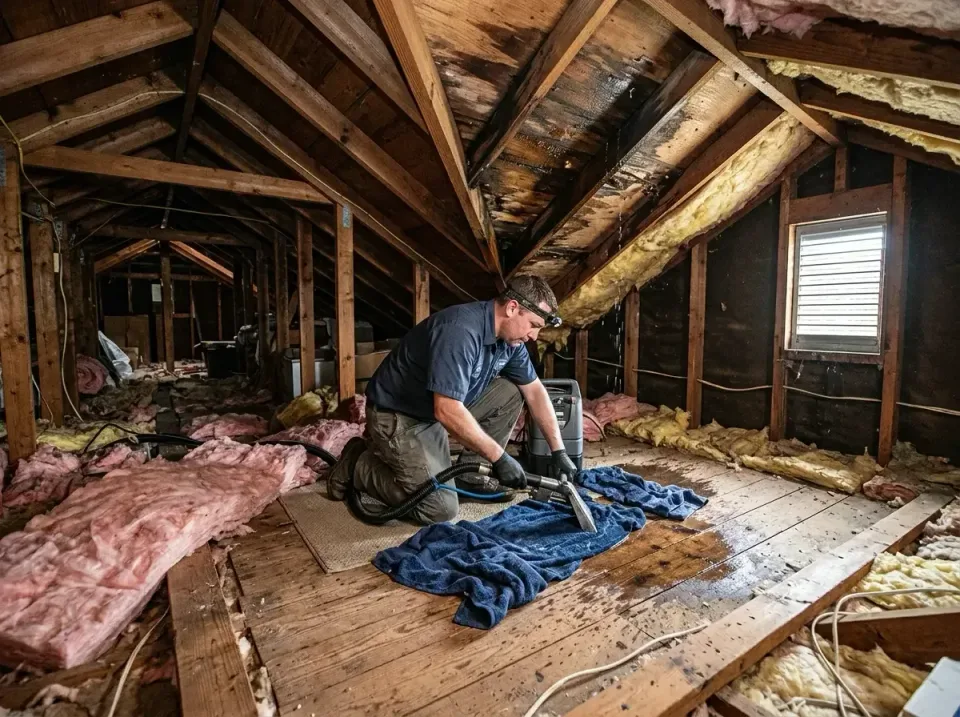
Black spots after a flood or a musty odor can signal that water reached materials you cannot see. Category 3 water extraction removes heavily contaminated floodwater and manages affected materials safely, rather than treating the job like a clean spill.
The water may carry sewage or other contaminants, so avoid contact and keep children and pets away. Our IICRC WRT-certified technicians use moisture mapping to document conditions before setting a drying plan.
Why does floodwater count as Category 3?
Floodwater that has mixed with sewage, ground contaminants, or other unsanitary material should be treated as Category 3 black water. Do not judge it by color or smell alone.
Flash flooding on poorly drained streets can push runoff into ground-floor rooms, where contamination may remain after the visible water is gone. Keep people out, avoid switching on wet electrical equipment, and arrange a professional assessment.
Our crew separates affected contents from areas that can remain in service and documents the scope before removal.
What happens during Category 3 extraction?
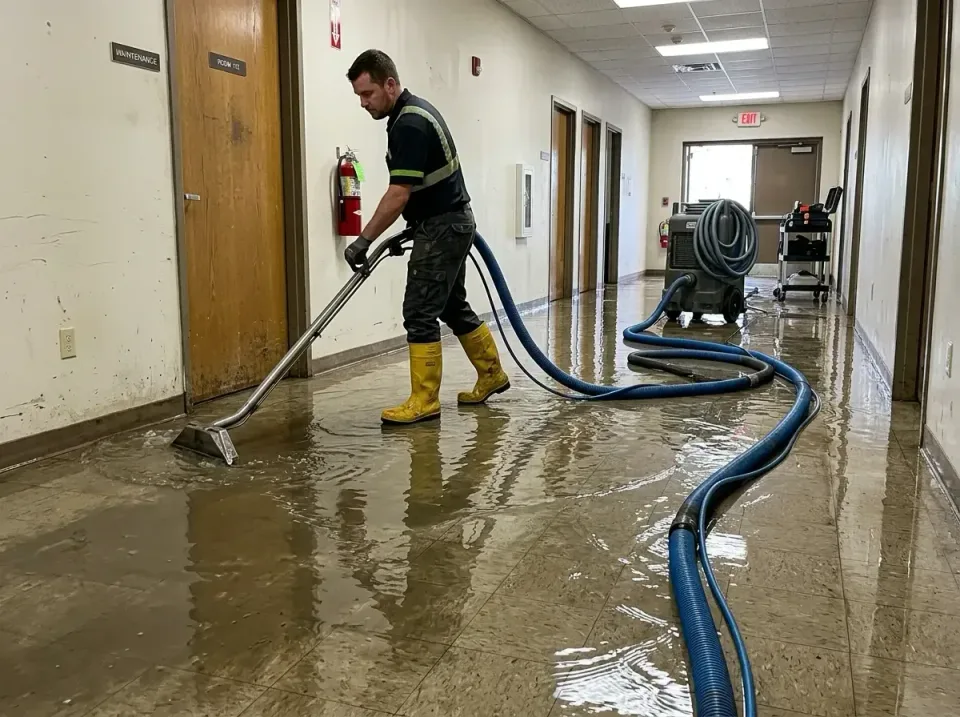
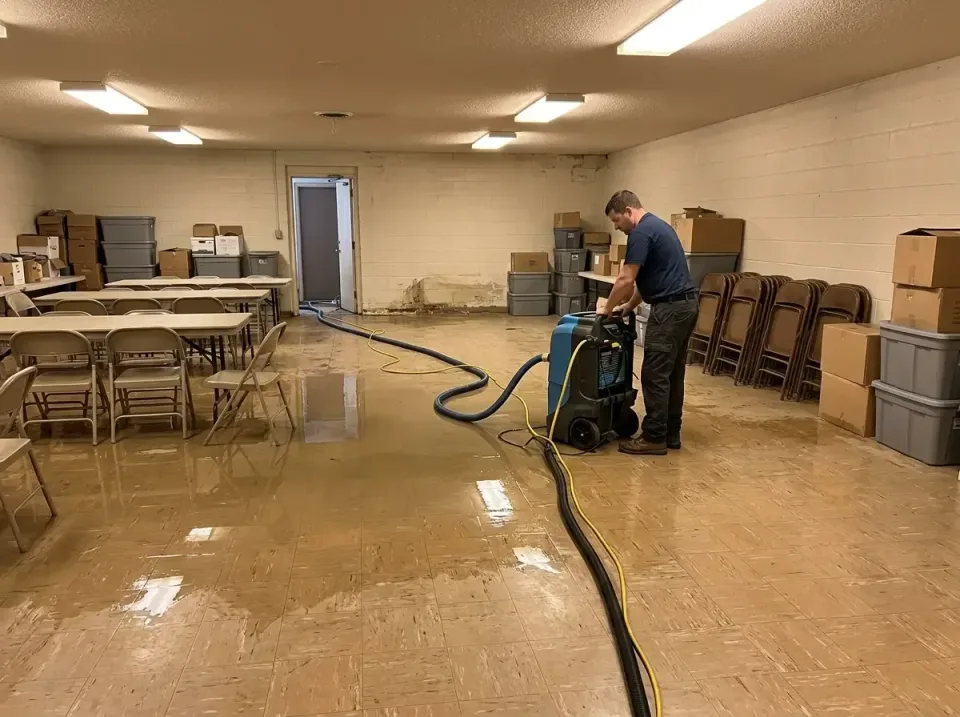
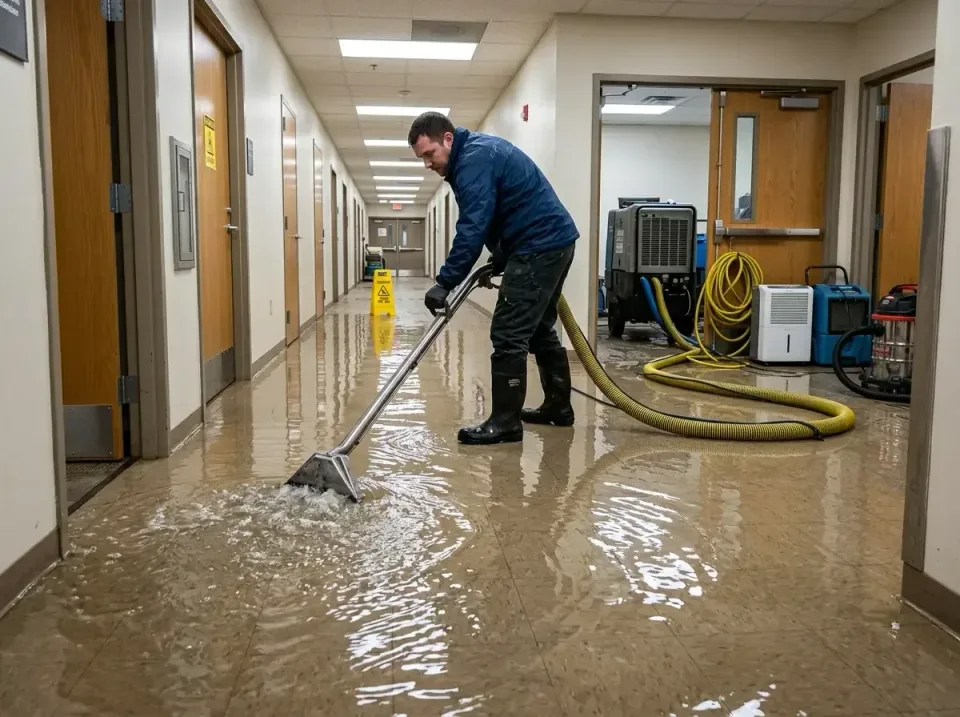
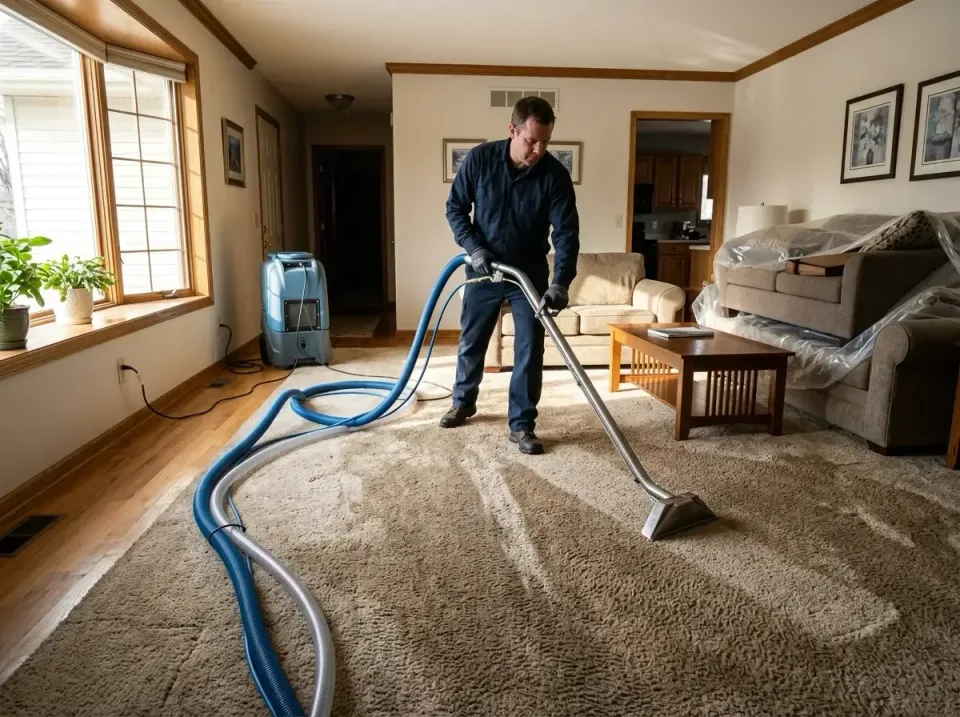
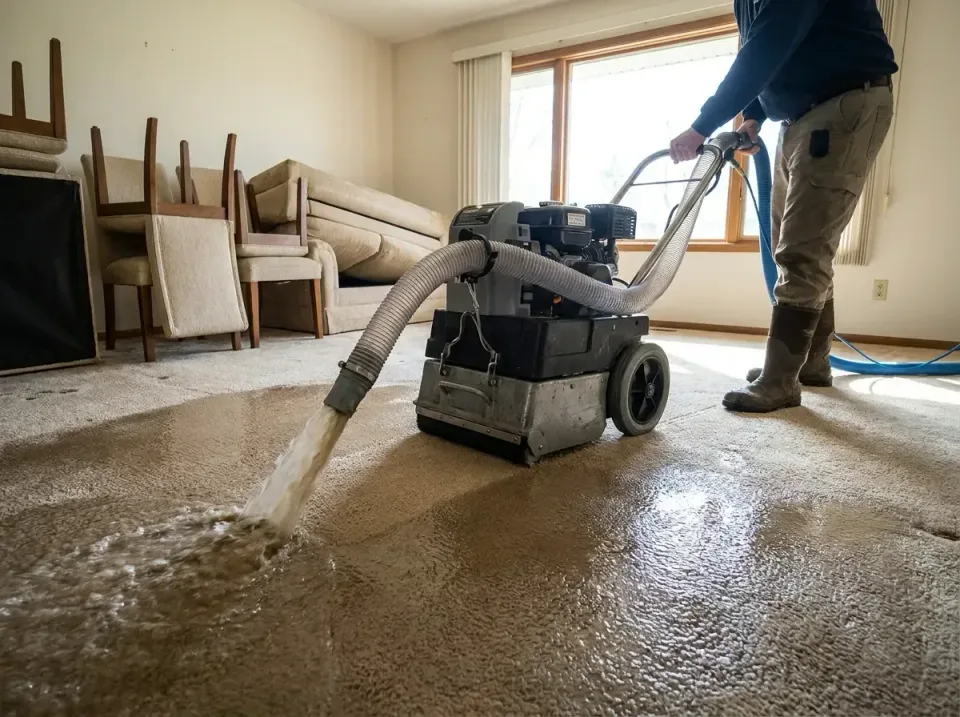
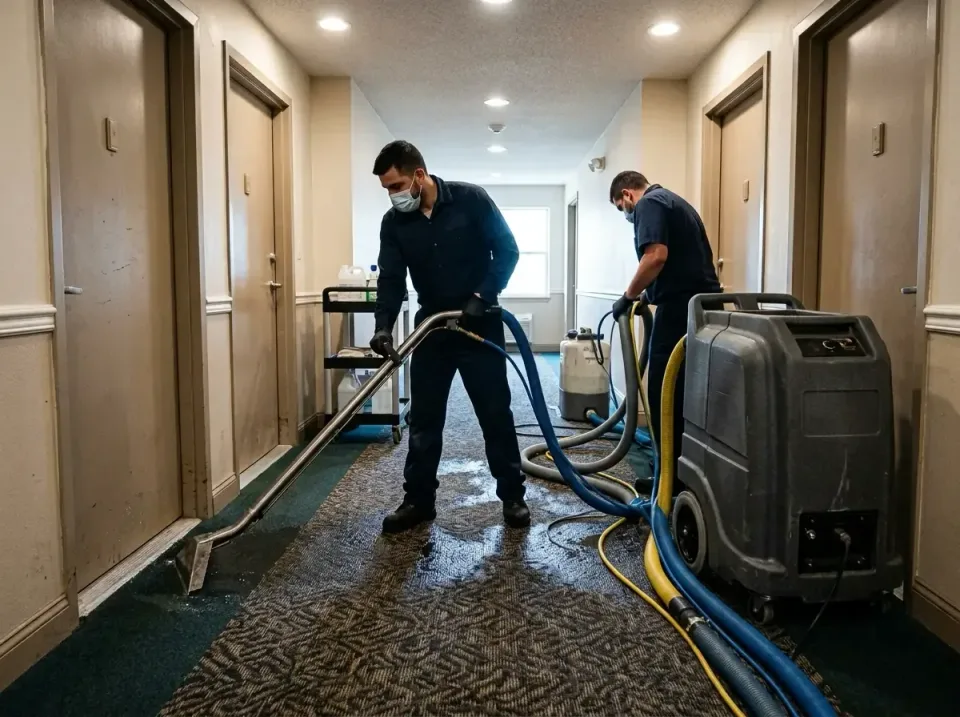
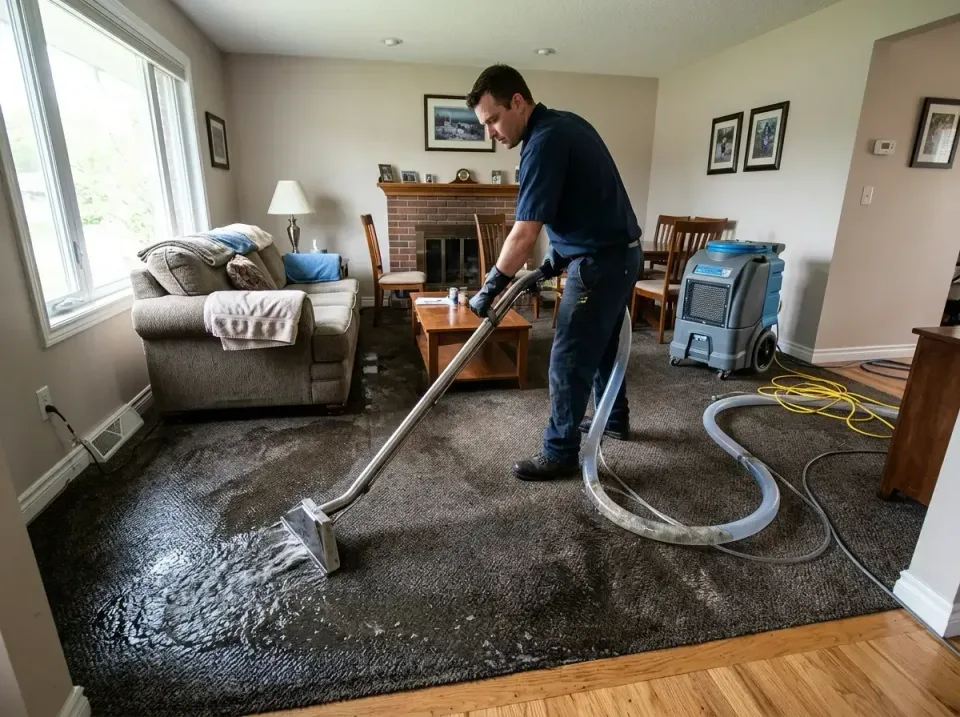
First, we identify the water source and assess which rooms and materials have been contacted. Then we remove standing water with extraction equipment, isolate affected areas where needed, and determine what can be cleaned versus what must be removed.
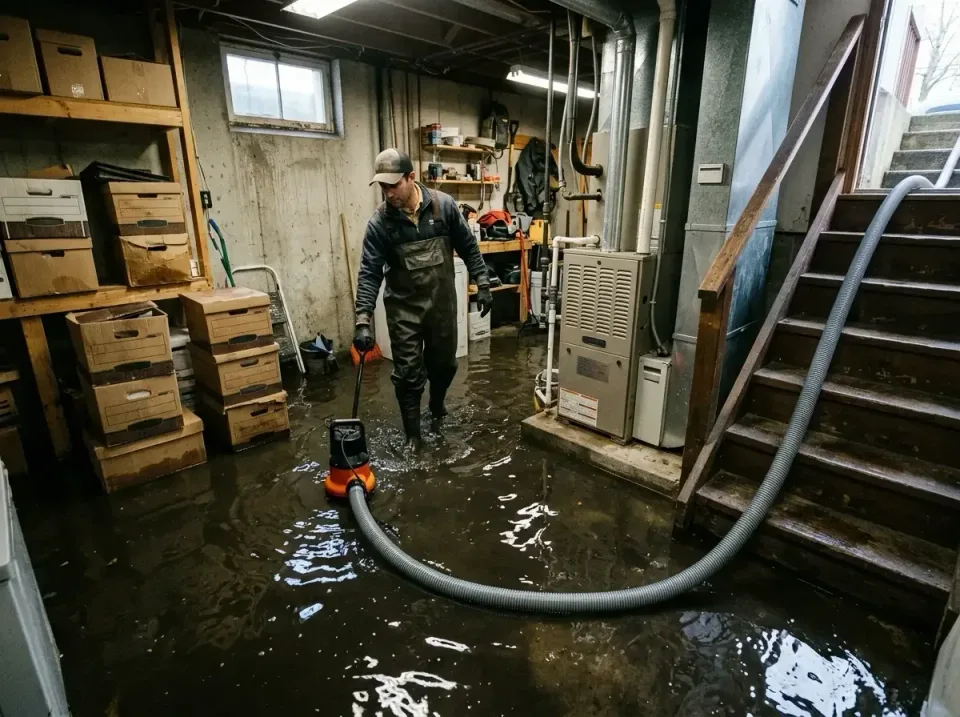
A bayou overflow after 4-inch rain can send contaminated water into a property quickly, so a brief surface cleanup may miss water held in cavities or beneath flooring. We check moisture in building materials, not just the room air.
The IICRC S500 Water Damage Standard informs our restoration approach, while safe handling and disposal decisions depend on the material and contamination present. Clear records help owners understand what was removed and why.
When should you call a professional instead of DIY?
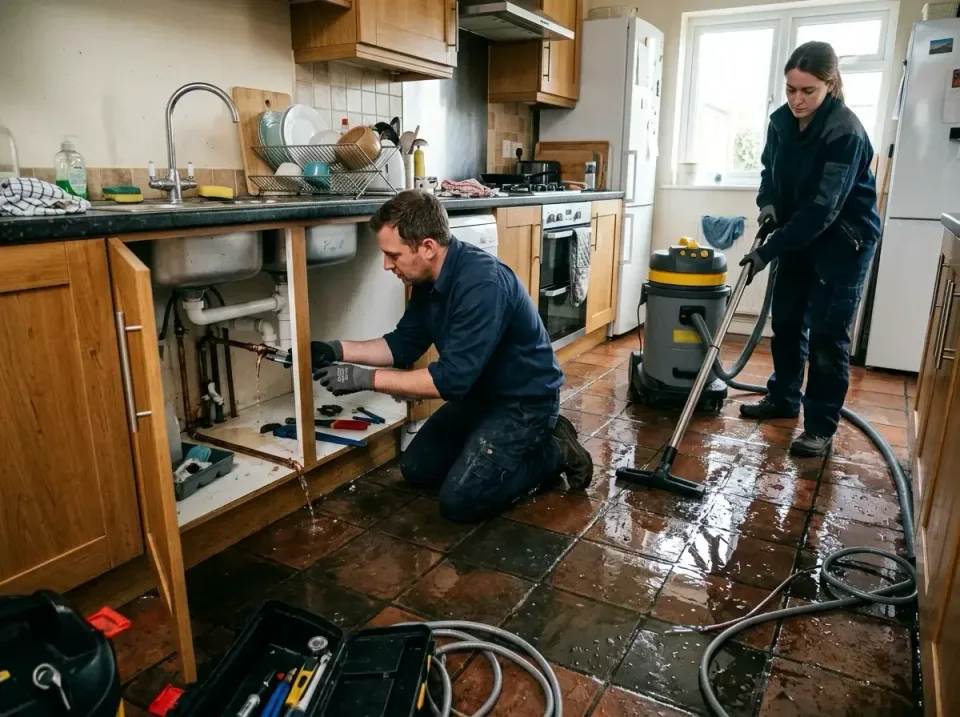
If floodwater may contain sewage, has entered wall cavities, or has reached electrical equipment, stop and call a trained restoration crew. Do not use a household vacuum or walk through questionable water to retrieve belongings.
A small clean-water spill on a hard surface is different; if the source is known, the water is sanitary, and no hidden materials are wet, a homeowner may handle a limited cleanup. For Category 3 water, protective gear, controlled removal, and proper disposal are part of the work not optional extras. Our technicians use moisture readings to find water that a mop cannot reach.
What details shape the extraction plan?
Access, the water source, the depth and spread of contamination, and the building materials all change the work. We map affected rooms, photograph conditions, and explain the difference between water removal and the later drying and repair decisions.
Ask how the team will protect unaffected areas, track moisture, and handle removed material. A measured plan is safer than restarting fans and hoping the structure dries on its own.
Which Extraction Setup Fits Houston Floodwater?
The right choice depends on how much water is present, where it traveled, and whether contamination is suspected. Tropical Storm Allison’s 2001 bayou overflow remains a reminder that water can reach properties beyond the immediate channel. Heat index above 100 can delay crews, so avoid entering unsafe water while waiting for an assessment.
| Option | Best for | Key detail |
|---|---|---|
| Shop-vac | Small, known clean-water spills | Not a safe choice for contaminated floodwater. |
| Truck-mount extractor | Larger water removal jobs | Extractor hose measures 1.5–2 inches. |
| Submersible pump | Deep standing water | Pump capacity is 50–100 GPM. |
| LGR dehumidifier and air movers | Structural drying after extraction | 70–130 pints/day dehumidifier; air mover about 3,000 CFM. |
Do not choose equipment by capacity alone; ask how contamination and hidden moisture will be assessed.
How Do You Prepare for Category 3 Extraction?
Floodwater has entered a ground-floor room, and you need to arrange safe access for extraction. Keep everyone out of the affected area.
-
Stop the source if safe: Shut off a known indoor supply, but do not enter standing water to reach electrical or plumbing equipment.
-
Clear a work path: Move people and pets away, and identify a safe place for contents that are not contaminated.
-
Plan truck access: The George R.
-
Document damage: Photograph visible water lines and affected belongings from a safe area before removal.
-
Confirm the work plan: Ask how contaminated materials will be handled and how moisture checks will be recorded.
Ready to Arrange Category 3 Extraction in Houston?
If floodwater entered your home, treat it as contaminated until a qualified assessment says otherwise. Clay soils retain floodwater, which can leave moisture around a property after the surface seems clear; tell the crew about any recurring seepage.
Intense afternoon thunderstorms can quickly add water to an already affected room, so do not delay reporting a new entry point. Hot summers raise indoor mold risk, so prompt assessment and documented drying decisions matter.